
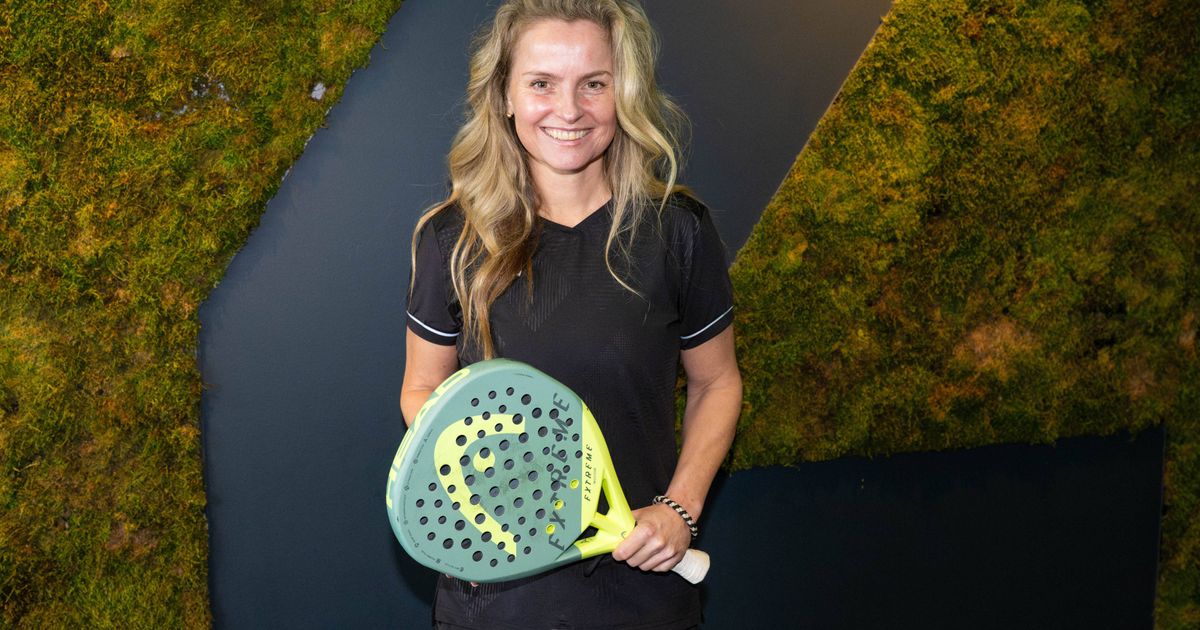
Padel: The Fastest-Growing Sport and Its Surprising Benefits for Body and Mind
The Netherlands is experiencing a padel boom. Courts are in high demand, and even tennis facilities are making room for the rapidly growing sport. But padel is more than just a trend; it’s a uniquely accessible and beneficial activity that’s capturing the attention of scientists and athletes alike.
What is Padel?
Padel is a racquet sport that blends elements of tennis and squash. It’s played in doubles on a smaller court enclosed by walls, using a solid, stringless racquet. As one player described it, It’s like tennis with walls.
The Science Behind the Surge in Popularity
Researchers are intrigued by the sustained rallies and constant movement padel demands. Francisco Pradas, a sports scientist and professor at the University of Zaragoza, believes Padel could be one of the best tools of this century to combat a sedentary lifestyle.
Studies indicate improvements in sprint speed, handgrip strength, and core stability.
Heart Rate and Cognitive Function
The enclosed court keeps players constantly engaged, requiring quick assessments of position, timing, and ball trajectory. This combination of physical exertion and rapid decision-making is linked to an increase in BDNF, a protein vital for brain health. The intensity is as well manageable; The intensity and physical strain can be regulated relatively well by the way the game is played,
according to Pradas. The smaller court and longer rallies elevate heart rate without requiring constant maximum effort, making it accessible to beginners.
A Unique Blend of Sports
Padel occupies a space between tennis and pickleball. Former tennis coach George Thomas explains, The court is smaller and you are closer to each other, so the ball returns quickly and the exchanges are short and sharp.
This results in less running compared to tennis and often involves doubles play, reducing the overall physical strain. Compared to squash or badminton, the cardiovascular peak is lower, while it’s more intensive than pickleball.
Safety and Accessibility
Injury rates are relatively low, averaging three injuries per thousand playing hours, with elbow complaints being the most common, and typically mild. The sport’s accessibility is a key factor in its growth. It’s designed for inclusivity, with players ranging in age from 18 to 82. As one player noted, It’s an easy sport.
The combination of social interaction, continuous movement, and cognitive stimulation makes padel an ideal activity in today’s world. It offers a way to stay active without overexerting the body, while simultaneously providing a workout for the brain.

The Rise of Padel in the Netherlands
Only a few years ago, padel was almost unknown in the Netherlands. Now it is one of the fastest-growing sports in the country, with tens of thousands of registered players and even more casual participants. The Dutch Padel Federation was founded in 2011, and the sport has seen a significant boost in popularity since becoming officially recognized under the Royal Dutch Lawn Tennis Association (KNLTB) in July 2020.
FAQ
- What is padel? Padel is a racquet sport combining tennis and squash, played on a smaller court with walls.
- Is padel difficult to learn? No, padel is known for its accessibility and is easy to pick up, regardless of fitness level.
- Where can I play padel in the Netherlands? NLPadel is the official platform for finding courts and booking matches.
Source: National Geographic