
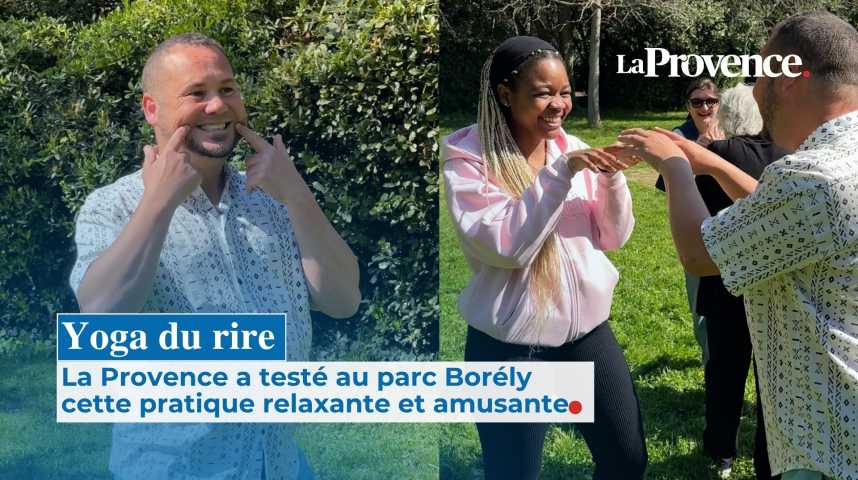
Laughter Yoga Gains Momentum in Marseille: A New Approach to Wellness
A Rising Tide of Joy in the South of France
Marseille is experiencing a growing interest in laughter yoga, a practice that blends simulated laughter with yogic breathing techniques. Recent sessions held in Borély Park demonstrate the increasing appeal of this unique wellness method.
The Science Behind the Smiles
Inspired by the operate of Dr. Madan Kataria, who initiated the movement in 1995, laughter yoga operates on the principle that the body cannot distinguish between genuine and simulated laughter. This means that even forced laughter can trigger physiological benefits, including the release of endorphins and improved blood circulation.
“The body is made like this: simulating laughter is enough to trick the brain, release endorphins and boost blood circulation.”
As stated in La Provence
More Than Just a Workout: A Tool for Resilience
For practitioners like Cédric Cassin, laughter yoga is more than just a recreational activity; it’s a powerful tool for building resilience. Cassin, an independent animator and trainer in Yoga of Laughter, utilized the practice to overcome a period of depression.
Cassin, similarly identified as a “rigologue” and psychopractitioner, has seen growing participation in his sessions. He believes laughter yoga has a bright future ahead of it
.
From Forced Giggles to Contagious Joy
A recent session in Borély Park brought together twelve participants for a challenge: to transform forced laughter into genuine, contagious joy. The session incorporated playful exercises, such as simulating spring allergies with participants acting as “nose hairs,” to encourage letting go and foster a sense of community.
The Physical Benefits of a Good Laugh
Laughter is a physically demanding activity. Experts suggest that 10 minutes of intense laughter can provide a workout equivalent to 30 minutes of rowing. This physical exertion releases a cocktail of beneficial hormones, including endorphins, dopamine, and serotonin.
Participant Experiences
“We really had fun! It’s totally liberating. With laughter yoga, I feel buoyed for the next two to three days.”
Magali, a participant in a laughter yoga session
Participants reported feeling relaxed, liberated, and experiencing a renewed sense of well-being. One participant noted the surprising ease with which laughter became spontaneous within the group.
The session concluded with a guided meditation focused on joyful memories, reinforcing the idea that cultivating a smile is a therapeutic practice.
Frequently Asked Questions
- What is laughter yoga? Laughter yoga is a practice that combines simulated laughter exercises with yogic breathing.
- What are the benefits of laughter yoga? Benefits include the release of endorphins, improved circulation, and increased resilience.
- Who is Cédric Cassin? Cédric Cassin is an independent animator and trainer in Yoga of Laughter based in Marseille.