
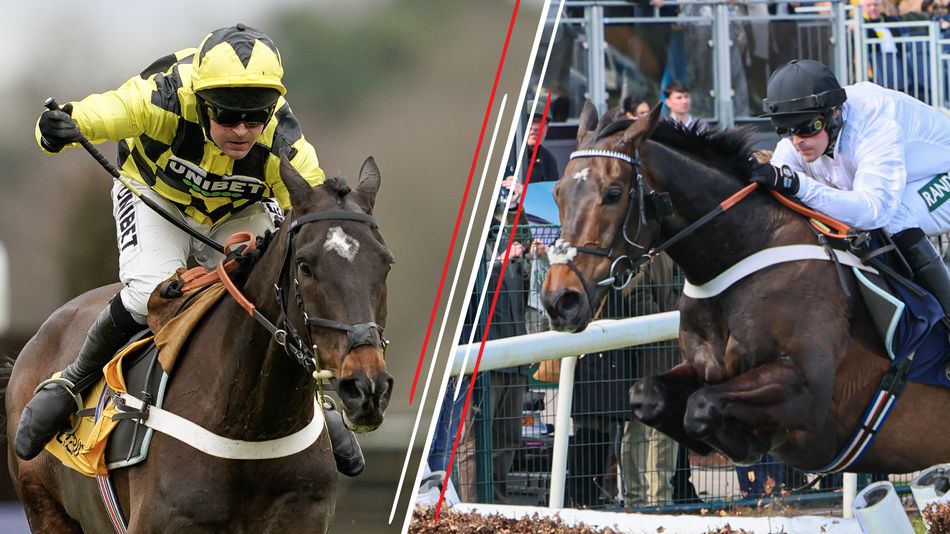
Constitution Hill’s Flat Transition: A Glimpse into the Future of National Hunt Stars
Constitution Hill, the dominant force in the National Hunt scene, is poised to embark on a rare second Flat start at Kempton Park on Wednesday night. This move has ignited considerable discussion within the racing community, prompting questions about the potential for cross-discipline success and the evolving strategies employed by leading trainers.
The Allure of the Flat for Jumps Royalty
Traditionally, the transition from National Hunt to Flat racing has been a one-way street, with horses often switching to hurdles or chases after showing promise on the level. However, a growing trend sees trainers experimenting with taking their established jumps stars onto the Flat, particularly during the quieter winter months.
Pro Tip: Consider the ground conditions when evaluating a jumps horse’s Flat performance. Softer ground often favors those accustomed to National Hunt racing, leveling the playing field against seasoned Flat performers.
Several factors are driving this shift. Firstly, it provides valuable race practice and maintains a horse’s fitness during the off-season. Secondly, it offers owners and trainers the opportunity to showcase their star horses to a wider audience. Finally, and perhaps most importantly, it allows for a reassessment of a horse’s overall ability and potential, potentially unlocking fresh avenues for success.
Constitution Hill’s Debut and the Opposition
Constitution Hill’s initial foray onto the Flat at Sandown earlier this month was nothing short of spectacular, winning by an impressive margin. This victory has raised expectations for his Kempton appearance. However, the opposition this time appears more formidable.
Ryan Moore, a champion jockey, has been booked to ride, signaling the seriousness with which connections view this outing. The presence of experienced Flat horses in the novice race will provide a stern test of Constitution Hill’s versatility.
Did you know? Dual-purpose trainers, like Nicky Henderson (Constitution Hill’s trainer), are increasingly adept at navigating both the National Hunt and Flat landscapes. Their expertise is crucial in successfully transitioning horses between disciplines.
Looking back, the case of Paisley Park, another star National Hunt performer, demonstrates the challenges involved. While Paisley Park attempted Flat races, his results were less emphatic than Constitution Hill’s initial success, highlighting the importance of individual horse characteristics.
The Broader Implications: A Changing Racing Landscape
The willingness of trainers to experiment with cross-discipline racing reflects a broader trend towards innovation within the sport. Data from the British Horseracing Authority shows a slight increase in the number of horses running in both National Hunt and Flat races over the past five years, although the numbers remain relatively tiny.
This trend as well aligns with the growing emphasis on horse welfare. Providing horses with varied racing experiences can facilitate to maintain their enthusiasm and prevent burnout. It allows trainers to identify the most suitable racing program for each individual horse, maximizing their potential and longevity.
The Jockey Factor: A New Partnership
The change in jockey, with Ryan Moore taking the reins, is a significant development. Moore’s experience and tactical acumen will be invaluable in assessing Constitution Hill’s capabilities on the Flat.
Historically, successful jockey-horse partnerships have been pivotal in racing history. Consider the legendary pairing of AP McCoy and Istabraq, or Frankie Dettori and Stradivarius. The chemistry between jockey and horse can often be the deciding factor in close races.
Looking Ahead: Potential Future Trends
We can anticipate several potential future trends emerging from this experimentation. Firstly, we may see more trainers strategically utilizing Flat races to prepare their National Hunt horses for major spring festivals. Secondly, the development of specialized training programs designed to bridge the gap between the two disciplines could develop into more commonplace.
Finally, the success of horses like Constitution Hill could inspire a new generation of owners and trainers to embrace cross-discipline racing, further blurring the lines between the National Hunt and Flat worlds.
FAQ
Q: Is it common for National Hunt horses to race on the Flat?
A: It’s becoming increasingly common, but still relatively rare. Trainers are experimenting with it more often to maintain fitness and explore a horse’s potential.
Q: What are the key challenges in transitioning a horse from National Hunt to Flat racing?
A: Different stamina requirements, racing styles, and ground conditions pose significant challenges. Adaptation is key.
Q: Will Constitution Hill continue to race on the Flat?
A: That remains to be seen. His performance at Kempton will likely influence future decisions.
Q: What does this mean for the future of racing?
A: It suggests a more flexible and innovative approach to training and racing, potentially leading to more versatile and long-lasting careers for racehorses.
Stay tuned to 247sports.new for continued coverage of Constitution Hill’s journey and the evolving landscape of horse racing. Share your thoughts in the comments below – do you think more jumps stars will make the switch to the Flat?